World Stroke Day 2025: Raising Awareness of Stroke Risk and Prevention
Learn how World Stroke Day 2025 promotes awareness, prevention, and early detection to reduce the global burden of stroke.
WORLD STROKE DAY 2025: RAISING AWARENESS OF STROKE RISK AND PREVENTION
────────────────────────────────────────
UNDERSTANDING THE IMPORTANCE OF WORLD STROKE DAY
────────────────────────────────────────
Each year on October 29, the world comes together to observe World Stroke Day, a global initiative dedicated to raising awareness about one of the leading causes of death and disability. A stroke occurs when blood flow to the brain is interrupted, cutting off oxygen and nutrients. Within minutes, brain cells begin to die, making immediate medical attention critical. In 2025, the campaign focuses on “Know the Signs, Act in Time”, emphasizing early recognition, preventive lifestyle habits and equitable access to timely care.
────────────────────────────────────────
THE GLOBAL BURDEN OF STROKE
────────────────────────────────────────
According to the World Health Organization, more than 12 million people suffer a stroke each year and over 6 million die as a result. Nearly one in four adults will experience a stroke in their lifetime, and survivors often face long-term disabilities affecting movement, speech and independence. These figures highlight not only the scale of the challenge but also the immense potential of prevention, with up to 80 percent of strokes considered avoidable through medical and lifestyle management.
────────────────────────────────────────
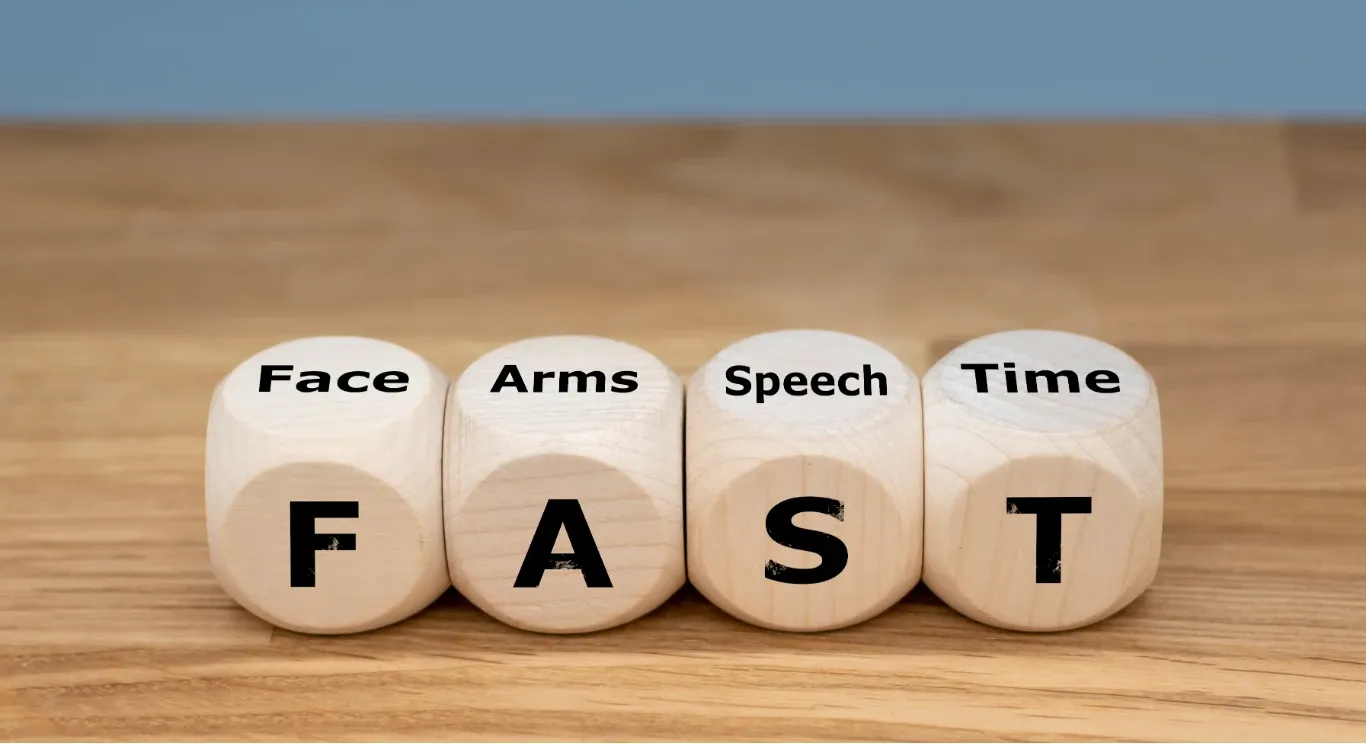
RECOGNISING THE WARNING SIGNS: ACT F.A.S.T.
────────────────────────────────────────
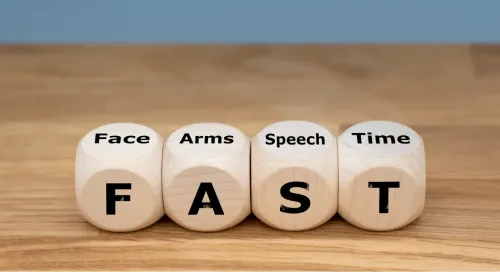
Early detection dramatically improves outcomes. The F.A.S.T. method remains one of the most effective tools for identifying a stroke quickly. Facial drooping, arm weakness and changes in speech are key warning signs, and when any appear, it is time to call emergency services immediately. Acting within minutes rather than hours can mean the difference between full recovery and severe long-term impairment.
────────────────────────────────────────
UNDERSTANDING RISK FACTORS
────────────────────────────────────────
Stroke affects people of all ages, but certain factors elevate risk significantly. Age, genetic predisposition and underlying conditions beyond one’s control play a role, while lifestyle-related factors such as high blood pressure, smoking, diabetes, obesity, cholesterol and inactivity represent modifiable risks. Addressing these daily habits can reduce the likelihood of stroke by a substantial margin.
────────────────────────────────────────
PREVENTION: SMALL STEPS WITH BIG IMPACT
────────────────────────────────────────
Effective prevention begins with consistent, everyday choices that protect both heart and brain health. Regular blood pressure monitoring, adopting a balanced diet rich in fruits, vegetables and whole grains, staying physically active and reducing tobacco and alcohol consumption all contribute to lower risk. For those living with diabetes, atrial fibrillation or cardiovascular conditions, following prescribed treatment plans is essential for long-term protection.
────────────────────────────────────────
REHABILITATION AND RECOVERY
────────────────────────────────────────
For stroke survivors, the path to recovery extends far beyond hospital care. Physical, speech and occupational therapy play fundamental roles in regaining independence and improving quality of life. Support from communities and patient networks — including digital platforms such as PatLynk — helps individuals stay informed, motivated and connected throughout the rehabilitation journey.
────────────────────────────────────────
HOW TECHNOLOGY AND RESEARCH ARE TRANSFORMING STROKE CARE
────────────────────────────────────────
Advancements in medical technology are reshaping prevention, diagnosis and recovery. AI-enhanced imaging tools now assist clinicians by identifying brain blockages more rapidly, enabling earlier interventions such as clot-dissolving medication or thrombectomy. Wearable health devices and mobile applications empower individuals to actively track risk factors such as blood pressure and heart rhythm. Digital ecosystems like PatLynk Health are driving more integrated and accessible approaches to preventive care.
────────────────────────────────────────
THE ROLE OF AWARENESS CAMPAIGNS
────────────────────────────────────────
World Stroke Day reinforces the life-saving power of education. By increasing awareness of warning signs, encouraging screenings and reducing stigma around cardiovascular health, communities can significantly improve survival and recovery rates. Each conversation, health check or shared resource strengthens collective action against stroke.
────────────────────────────────────────
PatLynk invites you to join the movement this World Stroke Day by promoting awareness, prevention and research. To stay engaged with impactful initiatives shaping the future of global health, visit https://www.patlynk.com and help ensure that when it comes to stroke, every second truly counts.
Learn More About Clinical Trials