Patient Advocacy & Equity
How Patient Communities Are Shaping the Future of Medical Research
Discover how patient communities are transforming medical research through data sharing, collaboration, and advocacy in 2025.
From PatLynkOctober 22, 2025
HOW PATIENT COMMUNITIES ARE SHAPING THE FUTURE OF MEDICAL RESEARCH
────────────────────────────────────────
THE RISE OF THE EMPOWERED PATIENT
────────────────────────────────────────
In the past, patients played a limited role in medical research, often viewed as subjects rather than collaborators. Today, that dynamic has changed dramatically.
Patient communities, strengthened by digital platforms and social networks, are redefining how research is designed, conducted, and accelerated.
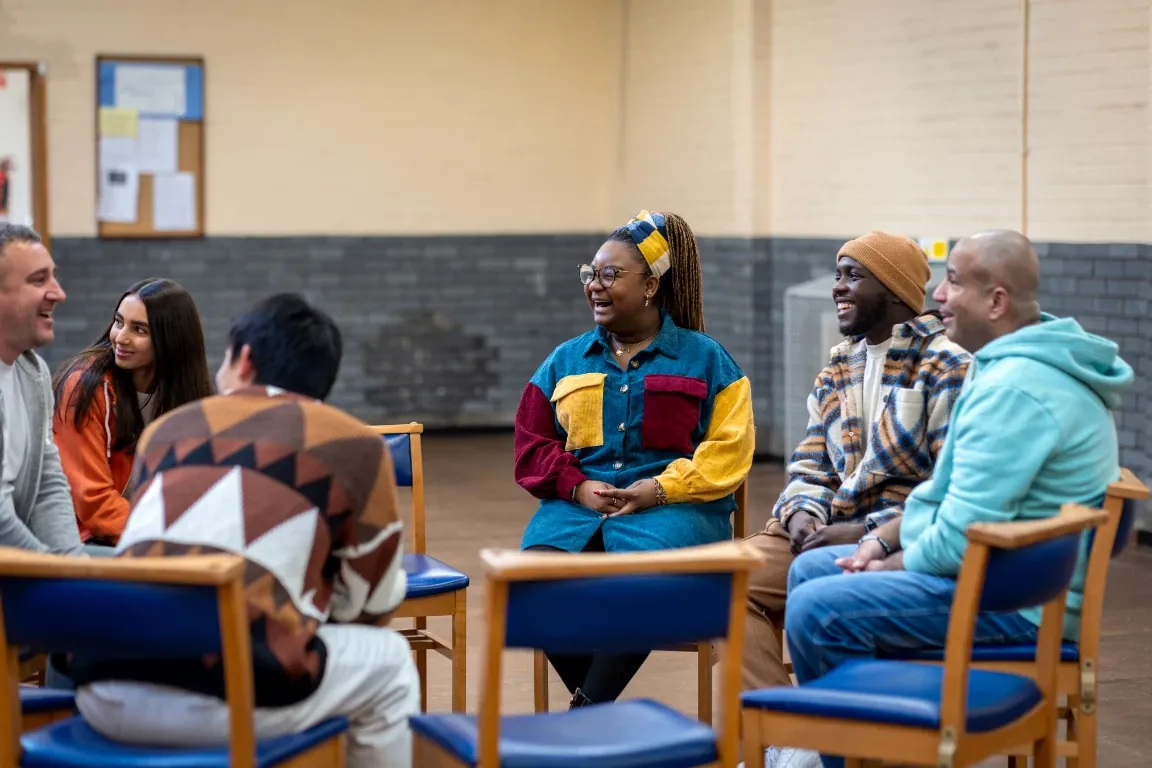
In 2025, medical innovation is no longer confined to laboratories and pharmaceutical boardrooms. It is being co-created with patients who contribute real-world experiences, data, and advocacy to advance healthcare.
FROM PARTICIPANTS TO PARTNERS
────────────────────────────────────────
The traditional model positioned patients as passive participants in clinical trials. However, online health networks and advocacy groups have empowered individuals to influence research priorities, co-design study protocols, and raise awareness.
Communities centered around chronic conditions such as Crohn’s disease, ALS, cancer, or rare genetic disorders have become especially influential.
Through continuous engagement, these groups help researchers identify meaningful outcomes, accelerate recruitment, and reach underrepresented populations. This shift transforms the research process into a collaborative ecosystem built on trust and transparency.
THE POWER OF COLLECTIVE DATA
────────────────────────────────────────
One of the greatest contributions of patient communities is the generation of real-world data. Digital tools and patient-led registries allow individuals to share ongoing information about symptoms, treatment outcomes, and quality of life.
For researchers, this creates access to longitudinal datasets that reflect everyday experiences beyond controlled trial environments.
BUILDING TRUST THROUGH TRANSPARENCY
────────────────────────────────────────
Trust has historically been a barrier in clinical research, especially among marginalized or underserved communities. Patient communities are helping rebuild confidence by offering education, peer support, and transparent information.
They help members understand trial processes, dispel misconceptions, and participate with confidence.
By advocating for open access to research outcomes, these communities allow participants to see the impact of their involvement.
Greater trust leads to higher engagement and retention—two essential elements for successful clinical trials.
TECHNOLOGY AS AN ENABLER
────────────────────────────────────────
Digital tools have been central to connecting patients globally. AI-powered chatbots answer health questions, secure portals allow individuals to share and manage medical data, and blockchain solutions help protect ownership of personal information.
Some communities use machine learning to identify research gaps and drive scientific interest.
Technology ensures patients are informed, empowered, and able to participate actively in shaping medical innovation.
CHALLENGES AHEAD
────────────────────────────────────────
Despite the progress, patient-driven research also comes with challenges.
Data privacy remains a concern, as does ensuring scientific validity when integrating patient-generated data into formal research.
Another challenge is equity—ensuring all patient voices are represented, not only those with access to digital tools or higher resources.
Addressing these issues is essential to ensure patient empowerment strengthens rather than fragments medical research.
THE FUTURE: CO-CREATION AS THE GOLD STANDARD
────────────────────────────────────────
Beyond 2025, the future of medical research is clearly collaborative. Patient communities will increasingly influence funding priorities, shape study designs, and inform regulatory decisions.
Institutions that embrace this partnership will gain deeper insights and develop innovations that are aligned with real-world needs.
Platforms like PatLynk are leading this movement by connecting patients, researchers, and sponsors in a transparent and inclusive environment.
As patient communities continue to grow, they are not merely participating in research—they are reshaping its foundation.
────────────────────────────────────────
To learn more or explore collaboration opportunities, please visit https://www.patlynk.com.
P
PatLynkEditorial Board
Explore More On Patient Advocacy & Equity
Patient Advocacy & Equity